
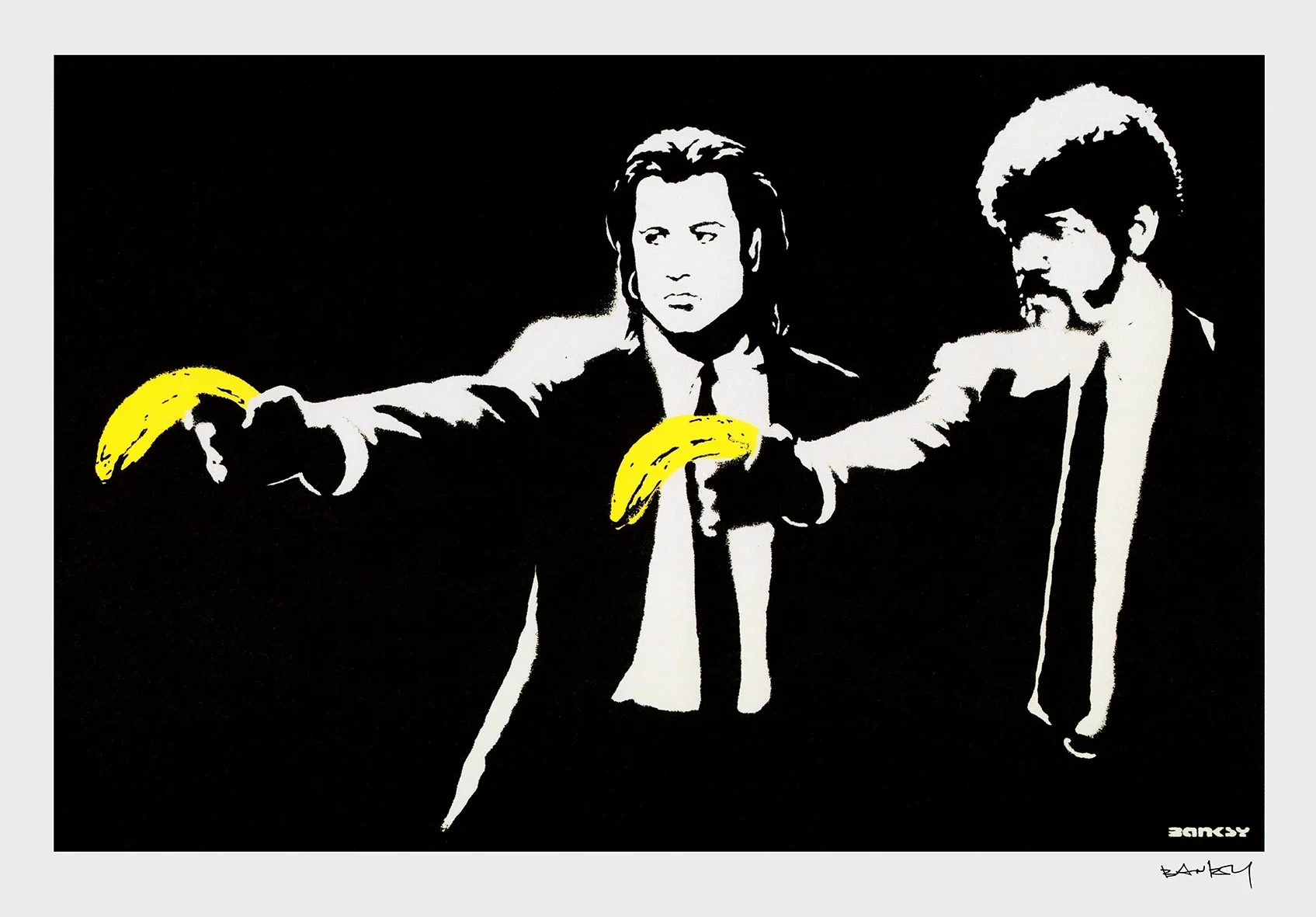
A familiar image can make a print feel easy to understand until the description introduces a different set of clues: a signature, a fraction written in pencil, a publisher’s mark or the letters AP. These details can separate works that look remarkably similar on a phone screen, and help explain why two examples of the same image may be described, researched and valued differently.
The small number in the corner is a useful place to begin. An inscription such as 12/150 normally identifies an impression within a numbered edition of 150, rather than the twelfth artwork the artist ever made. It also does not, by itself, establish the order in which the prints were produced or prove that a lower number is a better investment. The number is evidence of the object’s identity, and needs to be read alongside the rest of the description.
Repetition can be part of an artist’s original idea
The word “print” sometimes causes confusion because it is also used for reproductions of artworks. An editioned screenprint can be an artwork in its own right, created through a defined production process and issued in a specified edition. That is a different proposition from an unrestricted poster reproducing an image, even when both can be described casually as pictures by the same artist.
Warhol makes the distinction particularly clear. Repetition was central to his exploration of celebrity and mass culture, so the use of screenprinting was connected to what the work was about. His Marilyn images turn a familiar photographic face into different combinations of colour, allowing a repeated subject to remain recognisable while the individual print has a precise place within a portfolio and catalogue.
Banksy’s editions raise related questions through a different visual language. The joke in Pulp Fiction can be understood immediately, as bananas replace the guns held by the film’s characters, but an investor still needs to know which impression is offered. Whether it is signed, which edition it belongs to and what documentation accompanies it are part of the object’s market identity, alongside the appeal of the image itself.
An artist’s proof needs a fuller explanation
Artist’s proofs sit outside the main numbered edition and may be marked AP, although practices vary between artists and publishers. Some proof groups include unusual colour variants or other distinctions that make them especially interesting to collectors. The designation alone, however, is not a universal promise of greater quality, rarity or value; its significance comes from the documented history of that particular edition.
Condition can be equally important. Fading, staining, handling damage or trimming may affect a work’s appearance and the comparisons that can reasonably be made with other sales. A strong artist’s name and an attractive edition number do not make those differences disappear. Provenance, authentication and a condition report give the collector a more complete picture than an isolated photograph of the signature.
Why a fractional investor should care about the margin
Fractionalisation changes the amount each person commits, but every participant is still connected to one specific underlying artwork. If that work is a print, its edition and physical condition remain part of the investment case regardless of how many people hold units. A valuation based on a rarer colour variant or a differently documented edition may therefore be a poor guide to the work actually being offered.
For anyone exploring a Fraction, reading the full description is a manageable and useful first piece of research. Compare the title, date, edition and condition with the evidence used to support the valuation, then connect that valuation to the unit price and purchase terms. The number in the corner can open the investigation, but the surrounding information is what turns a familiar image into an artwork you can understand as a collector.