A valuable artwork can be insured, catalogued and securely stored while remaining absent from the lives of almost everyone connected to it. Protection is necessary, but it answers only part of the question about what art is for. A person who first became interested because an image moved or challenged them may reasonably hope that collecting will create opportunities to look more closely, rather than turn the work into a number accompanied by a storage record.
That tension becomes especially visible in fractional collecting. Several people may hold interests linked to the same physical object, while none takes it home. The arrangement can make financial participation possible at a smaller scale, but the cultural experience depends on how the collection is managed and what opportunities, if any, exist to encounter the art during the holding period.
Care begins with the particular object
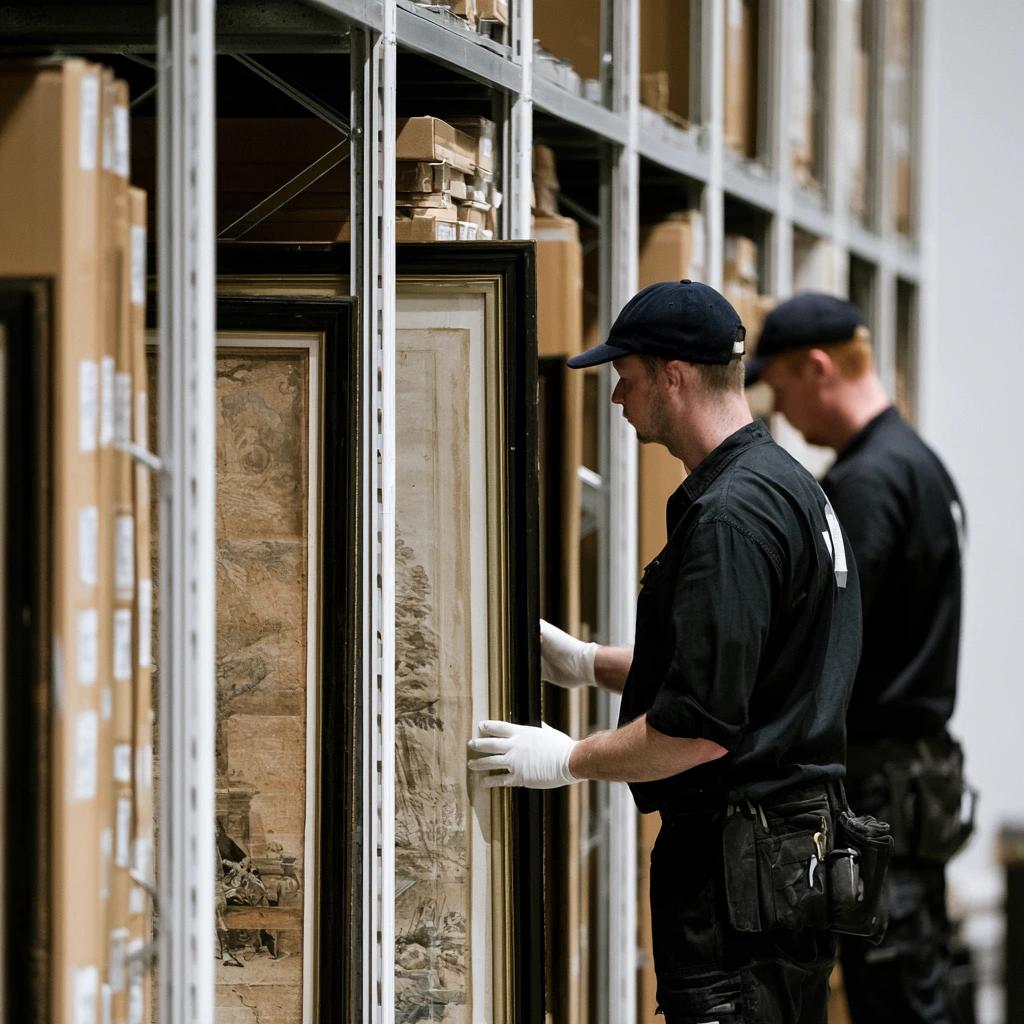
A print on paper has different practical needs from the image reproduced in an app. Light, environmental conditions, handling and framing can affect its physical state, so looking after it requires more than keeping it somewhere secure. The details of care matter both to the work’s survival and to future comparisons with other examples in the market.
Warhol’s saturated colour and the spare backgrounds of many Banksy prints make this easy to appreciate visually. A change in colour or damage to the paper can affect the way the work is experienced, even when the central image remains recognisable. Condition is therefore part of the artwork’s continuing history, connecting conservation decisions with the object a future collector will actually see.
For a fractional investor, the relevant information includes who holds and manages the work, what arrangements protect it and how its condition is recorded. The provider does not need to disclose sensitive security details for those responsibilities to be explained clearly. A credible account should establish how the physical object remains connected to the investment information supplied to participants.
Display gives the work another kind of life
Encountering an artwork can reveal qualities that repeated exposure to a reproduction has concealed. Scale changes the viewer’s relationship to a figure; a surface can make the method of production more evident; colour can behave differently from its appearance on a screen. The result is often a more specific interest in the work, replacing broad recognition with observations that belong to that particular object.
Shared viewing can add further depth because different people bring different references. Someone who knows Haring’s subway drawings may notice a connection in Banksy’s imagery, while a viewer interested in Warhol may focus on repetition and the circulation of popular images. Such conversations can make a collection educational without requiring every visit to become a lecture or every participant to arrive with specialist knowledge.
How access fits a fractional collection
The QU4RTER’s Art Lounge concept is one proposed way of bringing physical encounters into the experience of holding Fractions. Its first space is being created in Shoreditch, with opening and access details still to be announced. The proposition is that collectors could develop a relationship with works and with one another, rather than interact solely with the digital record of their holdings.
The practical questions remain worth asking alongside the cultural appeal: which works might be displayed, what access membership provides and how display is balanced with the objects’ care. Those answers belong to the relevant programme and terms, rather than following automatically from a purchase. For readers considering fractional art, understanding both custody and the opportunity to see the work creates a fuller picture of the experience—one in which protection makes future encounters possible, and those encounters give collecting meaning in the present.