

The audience for contemporary art is much larger than the group able to purchase its most recognisable works. People follow artists, visit exhibitions and develop confident tastes while still assuming that collecting a significant Banksy, Warhol or Haring belongs to someone else’s financial life. The QU4RTER is built around the proposition that the gap can be narrowed by changing the scale of an individual commitment.
Its model offers Fractions linked to particular physical artworks, allowing several people to participate without each acquiring the whole object. The attraction is a more manageable route into a named work, combined with an app in which collectors can explore the art and follow their holdings. The platform also places a social experience alongside the financial proposition, through an Art Lounge concept intended to bring people together around the collection.
The artwork should remain the starting point
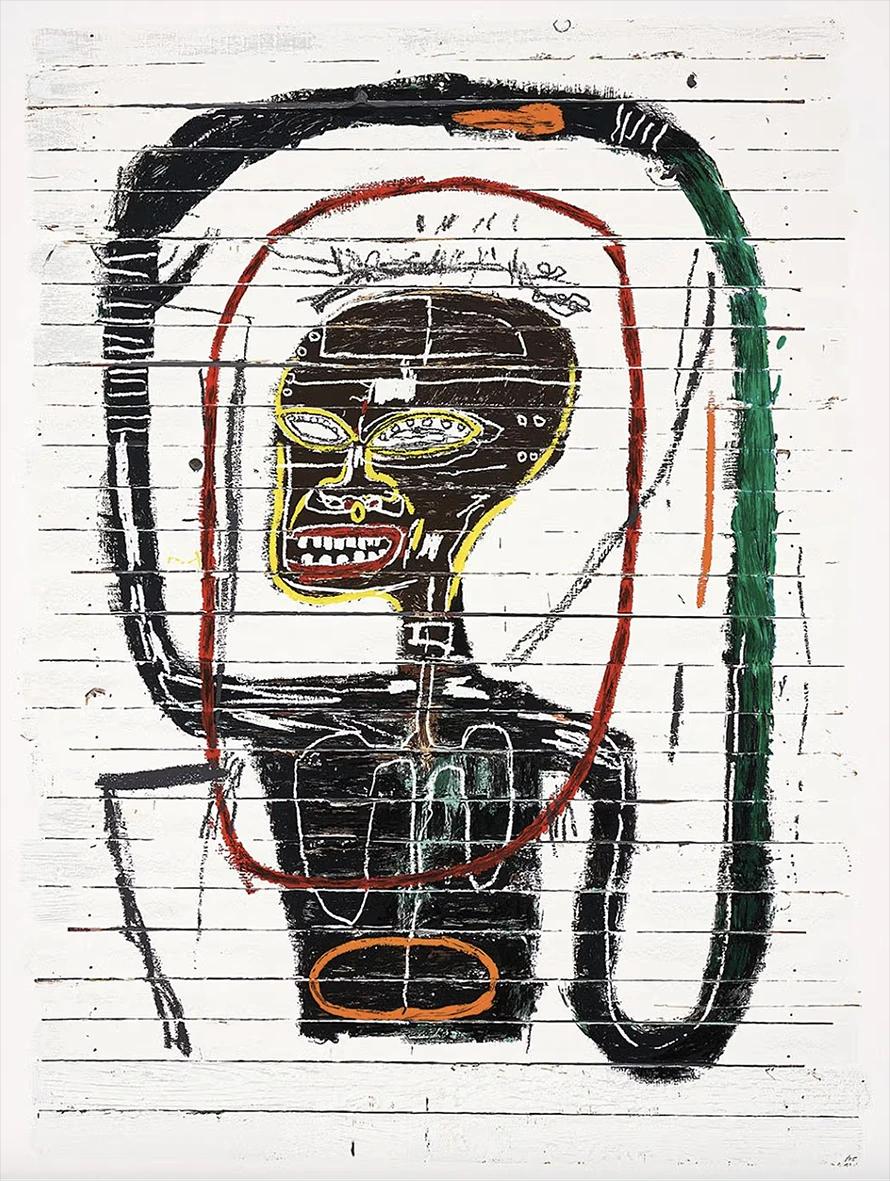
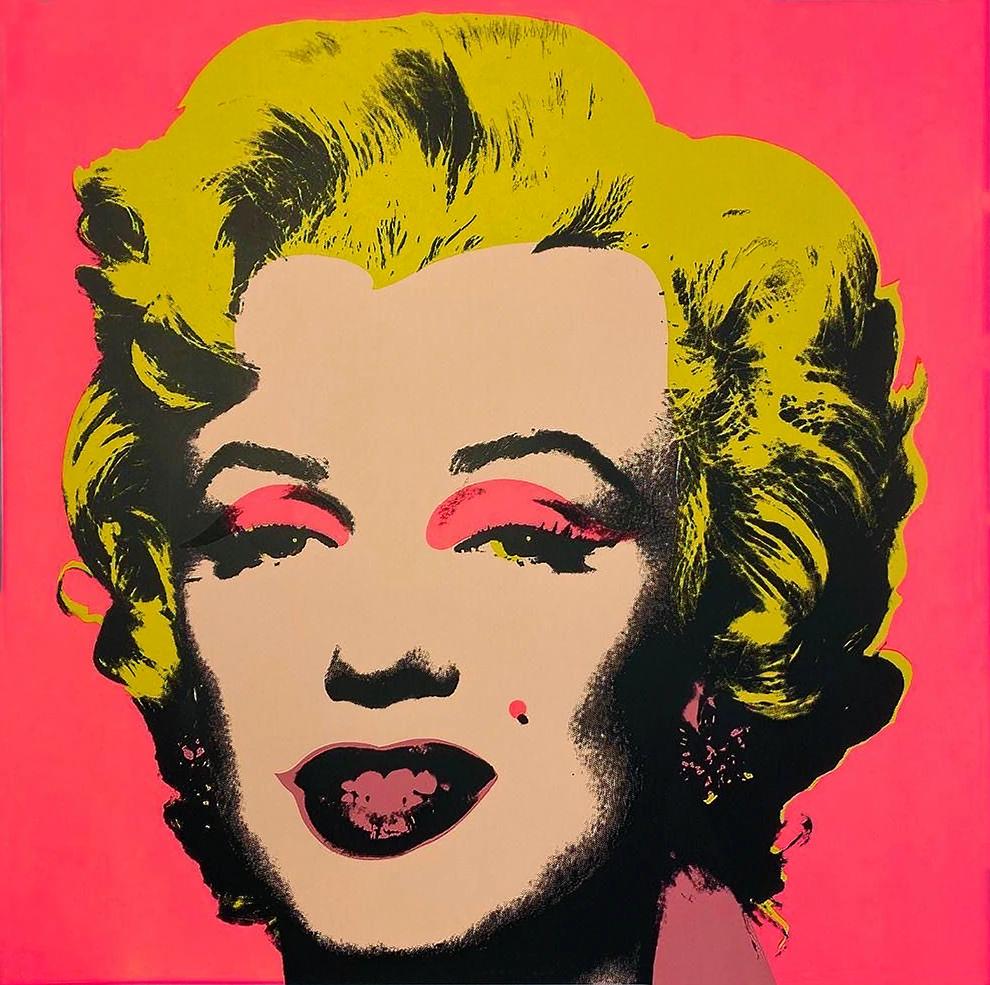
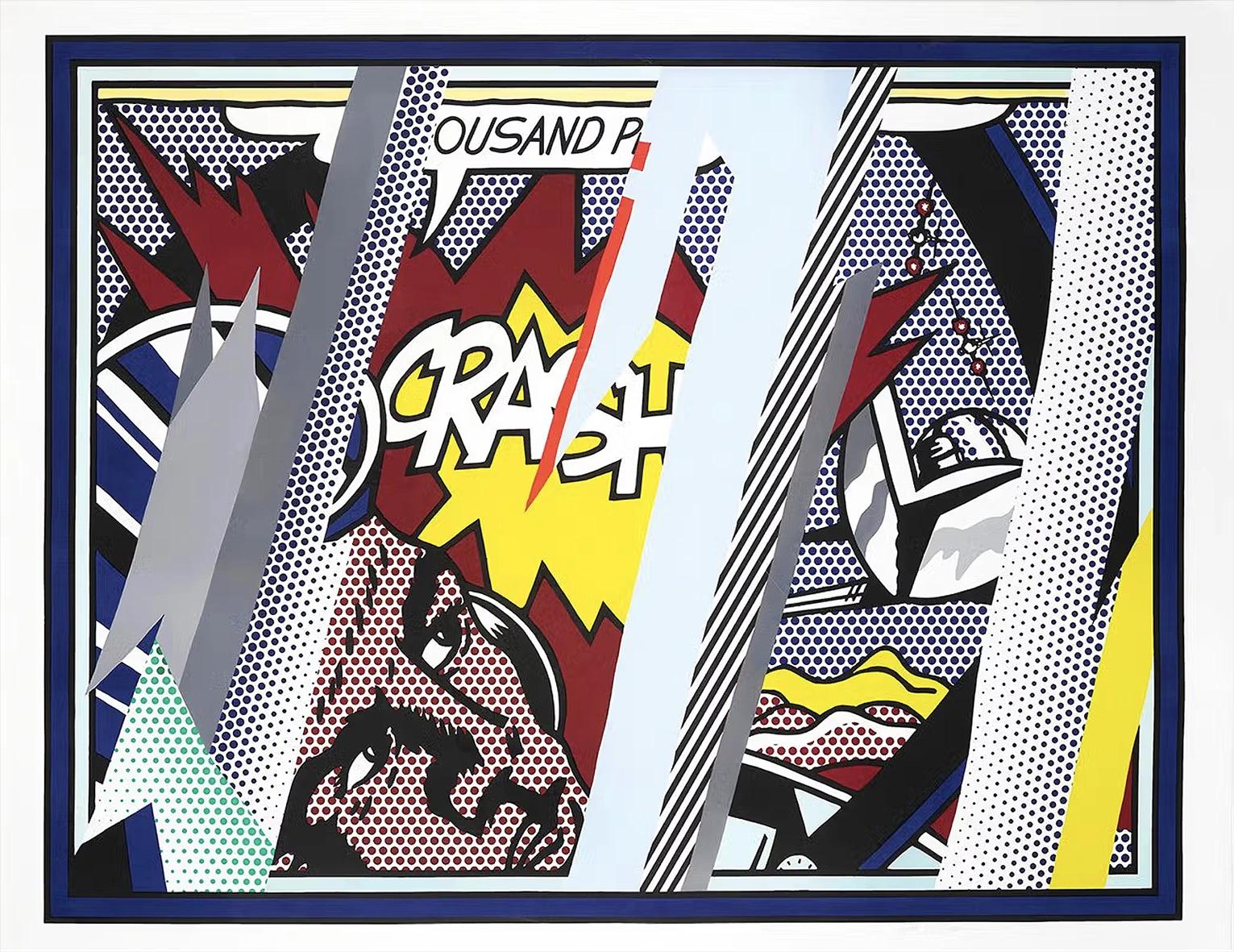
Banksy, Warhol, Basquiat and Haring provide familiar introductions, but each offers a different reason to look more closely. Banksy’s visual reversals can turn a weapon into a bouquet or a threatening scene into an absurd joke; Warhol’s repeated celebrity images investigate the way fame circulates; Basquiat’s words and symbols reward sustained attention; Haring’s figures connect a direct graphic language with public life and activism.
Those differences matter to a collector because a meaningful choice begins with interest in the work, rather than simply a famous name on a list. A person may be drawn to the emotional restraint of Girl with Balloon or the energy of a Basquiat image, then use that response as the reason to investigate the exact edition, production history and documentation. Familiarity makes the introduction easier while research gives the eventual choice substance.
The QU4RTER’s use of fractional participation adds a practical dimension to that investigation. A buyer can consider a defined unit linked to the work rather than deciding whether to commit the entire acquisition price. That can leave room to learn through more than one artist or build a collection over time, although holding several art interests does not make them immune to shared market conditions.
Understand the model behind the smaller amount
The platform describes a Fraction as a certified unit linked to a real physical artwork, with the purchase terms explaining the rights attached to it. This should be read as a specific arrangement, rather than assumed to be identical to every other fractional-art provider. The physical object, the investment record and the contractual interest each have a role in explaining what the collector receives.
A clear decision connects those elements: the identity and valuation of the artwork, the number and price of the Fractions, the costs that apply and the possible route to resale. The work’s reputation can make the proposition interesting, but the information for the individual offer establishes whether it is understandable. Future platform developments should also be distinguished from functions available at the time of purchase.
A collection with a place to meet
The Art Lounge concept extends the platform’s ambition beyond an account screen. A first members’ space is being created in a former chapel in Shoreditch, with the intention of enabling encounters with artworks and other collectors. Opening and access details remain to be announced, making it a developing element of the experience rather than a current invitation to visit on a particular date.
For an art fan, that combination is a reason to investigate: a smaller route into a work, an opportunity to become more knowledgeable about it and the prospect of a community built around shared interests. The practical next step is to choose one artwork in the collection and follow its information through to the Fraction terms. A platform designed to broaden participation is most useful when a first-time collector can explain both why the art appeals and how the arrangement works.