

An art listing can make a newcomer feel as though everyone else has already completed a course they missed. Terms such as provenance, artist’s proof and catalogue raisonné appear beside dates, edition numbers and prices, often without much explanation of why any of them matter. Yet the most useful questions do not require specialist vocabulary: what exactly is this work, how do we know, and what explains the amount being asked for it?
Beginning there changes the experience of learning. Instead of memorising terms before feeling entitled to take an interest, a prospective collector can follow the questions raised by an artwork they already like. The language becomes a set of tools for describing an object and judging an offer, rather than an entrance examination set by people who have been in the market longer.
Let the artwork create the questions
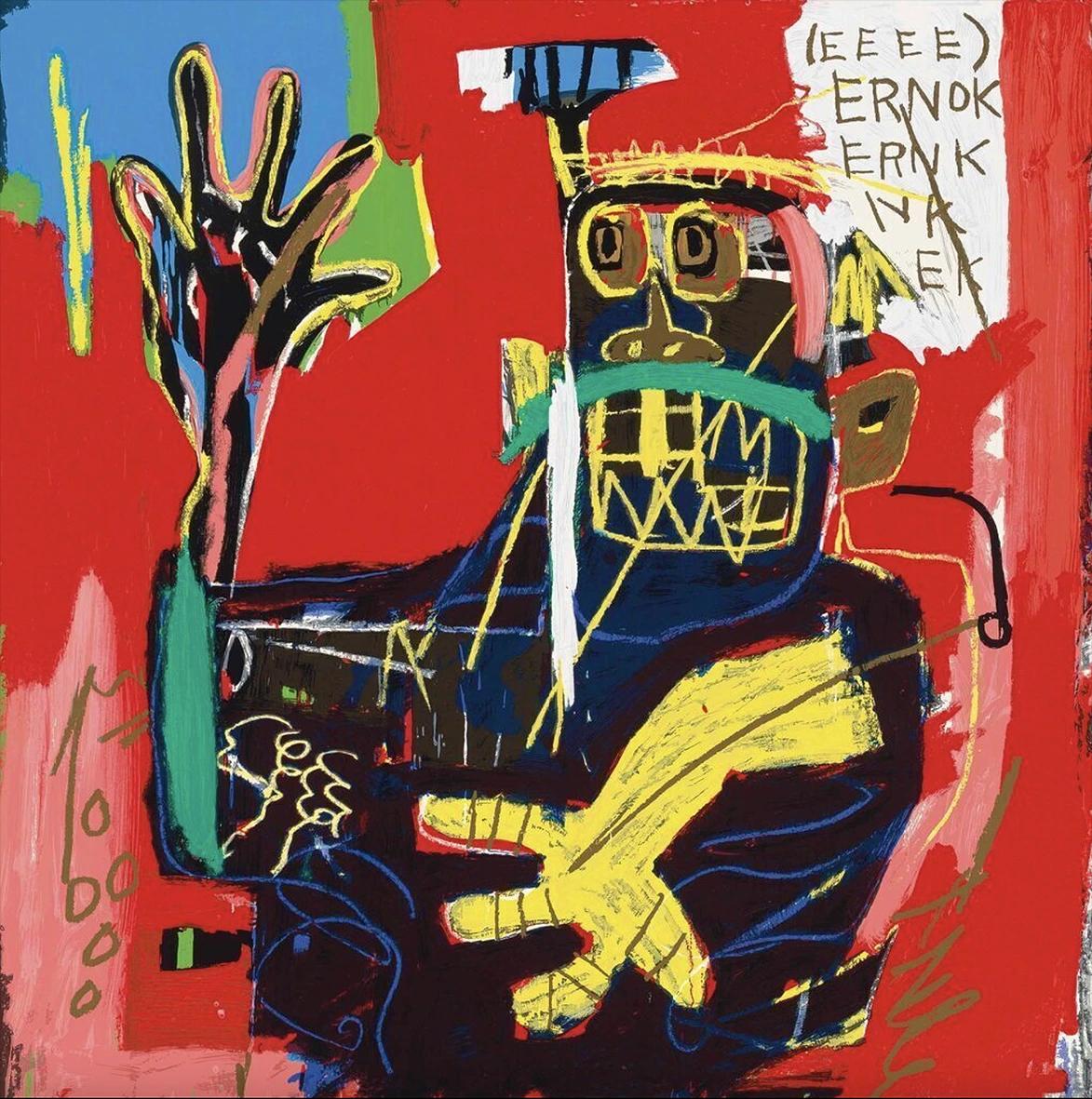
Basquiat provides a good example because his visual language can be engaging before its references have been fully understood. Figures, words and symbols compete for attention, encouraging viewers to look again and work through the relationships between them. A later screenprint can carry that energy into a different physical medium, while its catalogue description explains a production history that may extend beyond the artist’s lifetime.
Untitled (Ernok), for example, exists as a posthumous screenprint published in 2001. Auction descriptions identify an estate stamp and the signature of Gerard Basquiat, the administrator of the artist’s estate. The straightforward question “who signed this?” therefore opens an important distinction: the signature documents the edition’s authorisation, and should not be mistaken for Jean-Michel Basquiat’s own signature on a print made during his lifetime.
That is useful knowledge acquired through an object, rather than through jargon for its own sake. The same approach works with a Banksy listing: asking which version is offered leads naturally to the edition, asking how it is documented leads to authentication, and asking where it has been leads to provenance. Each answer adds something concrete to the picture of the work.
Price becomes clearer when comparisons become precise
Once the object is identified, a reader can ask which other sales help explain its valuation. A comparable work needs to be similar in the ways that matter, including edition, dimensions and condition, rather than simply sharing an artist’s name. The dates and price conventions matter too, because an old hammer price and a recent total including auction premium are different kinds of evidence.
The aim is not to remove judgement from collecting. People can reasonably disagree about the strength of an image, the significance of a variant or what a buyer might pay in the future. Clear questions make those judgements visible, allowing the reader to understand which parts of a valuation rest on documented transactions and which depend on interpretation or expectations.
A smaller commitment still deserves a complete explanation
Fractionalisation introduces another set of questions by dividing participation in an artwork into units. The collector needs to understand how the unit relates to the work, what rights accompany it and what happens while the investment is held. Asking for a plain explanation is appropriate whether the commitment is a few hundred pounds or the entire price of the object.
The QU4RTER offers a practical setting in which to try this approach: choose a work that interests you and follow its information from the image through the valuation to the Fraction terms. Keep a note of anything that remains unclear, particularly custody, charges and the possible route to resale. A good first investigation should leave you knowing more about both the art and the proposition, even if the eventual decision is to keep learning before you buy.
Expertise grows through that process of looking, asking and checking. The first useful step is not being able to sound like a specialist; it is being able to explain, in your own words, what you are considering and why it interests you.